Introduction: The Changing Landscape of Employment in the AI Era
The advent of artificial intelligence (AI) is initiating one of the most transformative shifts in the history of the modern job market. With AI systems taking over repetitive tasks and analyzing complex data faster than ever before, the landscape of traditional employment is changing dramatically. This new era is not solely defined by automation; rather, it represents a reimagining of work where human creativity is increasingly complemented by the capabilities of advanced technology. As industries adapt, there is growing emphasis on how to harness AI to drive innovation, productivity, and economic growth. Across global regions and industries, both public and private sectors are striving to prepare for an AI-enhanced future. Research from sources like the World Economic Forum highlights these shifts by indicating that new roles are emerging even as traditional jobs face displacement ([DemandSage](https://www.demandsage.com/artificial-intelligence-statistics/?utm_source=openai)).
AI’s Dual Impact on Jobs: Displacement and Creation
One of the most debated consequences of AI integration is its dual impact on jobs: while automation may lead to job displacement, it simultaneously spurs the creation of new opportunities. Recent estimates offer a nuanced perspective – according to the World Economic Forum, by 2025, AI could displace around 85 million jobs while catalyzing the creation of about 97 million new roles, leading to a net gain of 12 million jobs ([DemandSage](https://www.demandsage.com/artificial-intelligence-statistics/?utm_source=openai)). This shift inherently demands a reevaluation of workforce strategies, where job losses in routine tasks are counterbalanced by the emergence of technologically advanced roles. Organizations are not only looking at the potential challenges but also at new avenues for growth and innovation. To remain competitive, it is imperative that both employees and employers adjust to this seismic shift with forward-thinking policies, labor market adjustments, and a critical focus on human-centric roles that machines cannot replicate.
Emerging Roles and Opportunities in the AI Economy
As AI transforms traditional industries, a plethora of emerging roles are developing, ranging from technical specializations to creative and supervisory positions that require a level of human ingenuity AI cannot match. Fields such as data science, machine learning engineering, and AI specialization have surged forward as roles in the tech ecosystem. Studies forecast that by 2030, AI-related positions will be among the top 10 fastest-growing job categories globally ([Vention Teams](https://ventionteams.com/solutions/ai/report?utm_source=openai)). Furthermore, industries such as healthcare, education, and green energy are experiencing significant breakthroughs due to AI integration. These sectors benefit not only from increased efficiency but also from the creation of entirely new job profiles that blend traditional industry expertise with innovative AI technologies, exemplifying a robust trend where digital transformation meets industry-specific knowledge ([Mirror Review](https://www.mirrorreview.com/ai-on-the-global-job-market/?utm_source=openai)).
Reskilling and Upskilling: Preparing for the Future
In this rapidly evolving employment environment, the importance of reskilling and upskilling cannot be overstated. To prepare for a future in which digital proficiency is key, national economies and individual companies are investing heavily in education and training programs. The U.S. Bureau of Labor Statistics has projected a 13% growth in computer and information technology occupations from 2020 to 2030, which equates to around 667,600 new jobs ([April ABA](https://www.aprilaba.com/resources/artificial-intelligence-statistics?utm_source=openai)). With approximately 60% of global companies expected to require basic AI skills for their employees by 2028, continuous learning becomes not just a benefit but a necessity ([Vention Teams](https://ventionteams.com/solutions/ai/report?utm_source=openai)). Professionals at all levels are encouraged to adopt lifelong learning practices, embrace online courses, certifications, and hands-on training to remain relevant. This proactive approach is crucial for bridging the skills gap and ensuring that the workforce remains agile and competitive in an AI-driven marketplace.
Complementing Human Skills with AI: Enhancing Productivity and Creativity
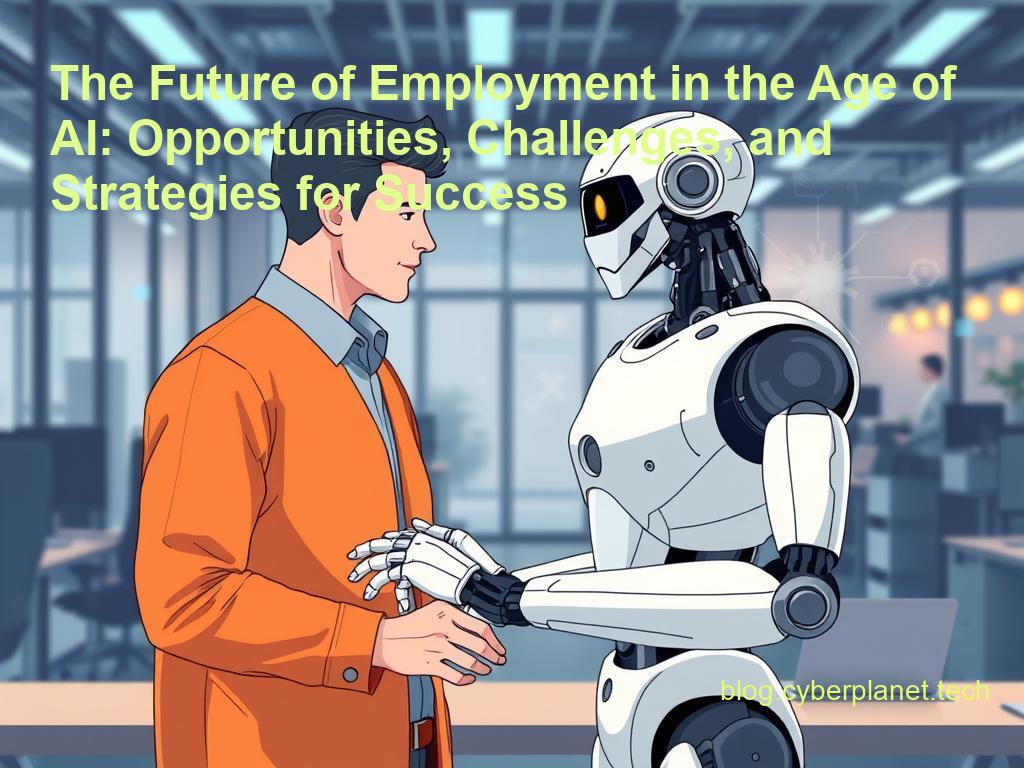
While AI is often seen through the lens of automation, its true potential lies in augmenting human capabilities. This collaboration empowers individuals and teams to reach new heights in productivity and creativity. AI tools can handle routine data analysis and pattern recognition, allowing human workers to concentrate on complex problem-solving, strategic thinking, and creative innovation. Such synergy between human and machine enhances overall performance and opens up new possibilities for innovation across sectors. Rather than a replacement, AI acts as an enhancer that drives employees to excel in tasks that require adaptive problem-solving skills and emotional intelligence. This evolving collaboration model not only boosts individual productivity but also facilitates a more resilient and innovative organizational culture.
Recent Developments and Insights on AI’s Employment Impact
Recent research and analyses provide an insightful overview of AI’s tangible impact on employment. Data from reputable sources indicate that alongside job displacement, AI is dynamically creating new roles and economic opportunities. With estimates predicting a net positive impact on the job market, industries are encouraged to view AI as a catalyst for positive change. Insights from various studies suggest that rather than leading to massive unemployment, AI will reshape the nature of work, demanding adaptability, creativity, and a focus on complex human-centric skills that technology cannot replicate. This evolution is referenced in reports from sources like [DemandSage](https://www.demandsage.com/artificial-intelligence-statistics/?utm_source=openai) and detailed in platforms like [Vention Teams](https://ventionteams.com/solutions/ai/report?utm_source=openai), which highlight the critical trends and statistics driving these changes.
Strategies for Workers and Organizations to Thrive
In order to thrive within this evolving job market, both workers and organizations must adopt strategic measures tailored for an AI-driven economy. For employees, the emphasis should be on continuous learning and professional development through reskilling and upskilling programs. Embracing digital tools, obtaining certifications, and engaging in cross-disciplinary learning can provide a competitive advantage. Organizations, on the other hand, should invest in robust training programs and create agile workplace environments that encourage innovation and flexibility. Establishing partnerships with tech companies, educational institutions, and leveraging government incentives can further facilitate this transition. Additionally, fostering a culture that embraces change and prioritizes the development of future-ready skills can help mitigate the risks associated with AI-driven job disruptions while enhancing long-term productivity.
Conclusion: Embracing AI as an Opportunity for Growth and Innovation
The convergence of artificial intelligence and the workforce represents an unprecedented opportunity for economic and technological advancement. While concerns regarding job displacement are valid, the broader perspective reveals an economy poised for growth, innovation, and an overall improvement in the quality of work. By investing in reskilling and upskilling, and by focusing on the collaboration between human ingenuity and AI capabilities, workers and organizations alike can harness the full potential of this digital revolution. Embracing AI is not about substituting human talent, but about augmenting it to create a vibrant, dynamic, and innovative labor market for the future.