The Future of AI Agents: From Specialization to General Intelligence and Beyond

Introduction: The Evolution and Significance of AI Agents

The journey of AI agents from narrowly specialized systems to the ambitious realm of general intelligence has been nothing short of remarkable. In the early days, AI was designed to excel in specific tasks—ranging from playing chess to recognizing patterns in data. Over the decades, however, the focus has shifted toward creating agents that not only perform isolated tasks but also integrate multi-domain capabilities that mirror human intelligence. This pursuit of flexibility and adaptability, often referred to as the next generation of AI agents (NGENT), is vital if we are to eventually evolve toward a fully realized Artificial General Intelligence (AGI) ([NGENT: Next-Generation AI Agents Must Integrate Multi-Domain Abilities to Achieve Artificial General Intelligence](https://arxiv.org/abs/2504.21433?utm_source=openai)).

Chapter 1: From Specialized Systems to General Intelligence

Specialized systems have, for a long time, represented the pinnacle of AI development. Their success in targeted applications such as recommendation engines, autonomous vehicles, and voice assistants is undeniable. However, their inherent limitations in cross-domain adaptability have spurred researchers to explore more generalized approaches. The evolution toward AGI involves creating systems capable of learning and adapting in real-time across diverse contexts. These systems, unlike their specialized counterparts, are designed to synthesize information from various domains, thereby enabling more dynamic decision-making processes. The conscious shift from these narrow applications to general intelligence not only broadens the potential applications of AI but also requires a reevaluation of the underlying paradigms that govern machine learning and decision making.

Chapter 2: Architectural Foundations of AGI

Developing AGI requires a robust architectural framework that supports continuous evolution and learning. One notable proposal is the Ontogenetic Architecture of General Intelligence (OAGI), which is inspired by biological development. According to the OAGI framework, general intelligence emerges from a structured development process—a concept reminiscent of Alan Turing’s “Child Machine” hypothesis, which asserts that intelligence should develop through experiences and education rather than being fully pre-programmed ([OAGI: Ontogenetic Architecture of General Intelligence](https://en.wikipedia.org/wiki/OAGI_Ontogenetic_Architecture_of_General_Intelligence?utm_source=openai)). This architectural approach emphasizes iterative learning, adaptability, and the progression from simple to complex problem-solving strategies, laying the foundation for systems that can eventually reach the sophisticated levels of reasoning and creativity associated with human cognition.

Chapter 3: Real-World Applications of Agentic AI

The incorporation of AI agents in real-world applications is already transforming numerous industries. From healthcare to finance, from education to entertainment, agentic AI systems are being integrated into processes to enhance efficiency and effectiveness. For example, in the realm of healthcare, AI is used not only to analyze patient data but also to predict health outcomes and streamline treatment protocols. In finance, AI agents assist in making rapid, data-driven decisions that optimize investment strategies. Each of these applications benefits from the fundamental advance that modern AI agents represent: the ability to interpret vast datasets and learn continuously from new information. By transitioning from narrow routines to more holistic decision-making frameworks, these agents set the stage for future transitions toward AGI.

Chapter 4: Challenges in Implementing AI Agents Across Domains

Despite the promise of more generalized intelligence, significant challenges remain in deploying AI across varied domains. One of the primary obstacles is ensuring consistency and reliability when an AI agent attempts to span multiple fields. Different domains often have unique regulatory, ethical, and operational nuances. For instance, an AI system trained on financial data might encounter completely different expectations and data structures when applied in healthcare. This discrepancy necessitates rigorous methods for ensuring data quality, bias mitigation, and transparent decision-making processes, echoing broader concerns noted in ethical discussions ([Ethical and Social Implications of AI Use](https://www.princetonreview.com/ai-education/ethical-and-social-implications-of-ai-use?utm_source=openai)).

Chapter 5: The Quest for Artificial General Intelligence

The leap from specialized AI to AGI is arguably one of the most ambitious quests in modern technology. AGI represents a paradigm in which machines can understand, learn, and apply knowledge in a manner akin to human intelligence. This transition is not merely quantitative but involves fundamental qualitative shifts in how AI systems are designed and interact with their environments. While considerable progress has been made in specific areas, the holistic integration required for AGI remains an elusive target. Researchers continue to explore new learning algorithms, cognitive architectures, and developmental frameworks that could eventually lead machines to surpass current limitations.

Chapter 6: Milestones and Debates Surrounding AGI

The journey toward AGI has been punctuated by both notable successes and vigorous debates. Milestones such as breakthroughs in natural language processing and reinforcement learning have showcased the potential of AI systems to emulate complex human behaviors and decision-making processes. However, these achievements are not without controversy. Debates continue around topics such as the true nature of intelligence, the feasibility of completely unbiased AI systems, and the prioritization of ethical considerations over technical progress. Such discussions are vital, ensuring that the pursuit of AGI remains balanced with rigorous assessments of safety, accountability, and societal benefit.

Chapter 7: Risks and Ethical Considerations of AGI

The rapid advancements in AI technology are accompanied by significant ethical concerns. The opacity of AI decision-making—often referred to as the “black box” problem—raises questions about accountability, fairness, and transparency. Moreover, the potential for these systems to perpetuate or even amplify pre-existing societal biases is a critical issue that demands urgent attention ([Ethical Considerations Emerge from Artificial Intelligence (AI) in Biotechnology – PubMed](https://pubmed.ncbi.nlm.nih.gov/40094090/?utm_source=openai)). As AI capabilities grow, so too does the risk of unintended consequences, ranging from economic disruption to, in extreme cases, scenarios that pose existential risks ([Existential risk from artificial intelligence](https://en.wikipedia.org/wiki/Existential_risk_from_artificial_intelligence?utm_source=openai)). This chapter underscores the necessity of integrating ethical frameworks early in the development process to ensure that AGI evolves in line with human values.

Chapter 8: Understanding the Technological Singularity

The term “technological singularity” describes a future moment when continued technological advancements, particularly in AI, lead to a runaway effect, fundamentally transforming civilization. Central to this concept is the phenomenon of recursive self-improvement, where AI systems enhance their own capabilities without human oversight ([Recursive self-improvement](https://en.wikipedia.org/wiki/Recursive_self-improvement?utm_source=openai)). Such self-improvement could, in theory, lead to intelligence levels that far exceed our own, presenting both extraordinary potential and unforeseen dangers. Understanding the mechanisms and implications of the singularity is crucial for preparing society for transformative changes in technology and human interaction.

Chapter 9: Societal and Ethical Implications of the Singularity

The advent of a technological singularity carries with it deep ethical and societal implications. As AI systems become more autonomous and intelligent, questions about control, regulation, and equitable access become paramount. The potential for a singularity scenario requires a proactive approach: one that involves government agencies, international bodies, and the public in order to forge policies that navigate these turbulent changes. With issues such as privacy, security, and equitable distribution of benefits at stake, society must engage in thoughtful debate and establish frameworks that can manage the risks associated with an intelligence explosion.

Chapter 10: Automation and Its Impact on the Future of Work

Automation, powered by increasingly sophisticated AI, is reshaping the labor market in profound ways. While automation can drive efficiency and productivity by taking over routine and repetitive tasks, it also poses challenges for employment across various sectors. As machines become capable of performing duties that once required human ingenuity and decision-making, there is growing concern about job displacement. However, this disruption also offers the opportunity to reimagine work, promote lifelong learning, and invest in skill development. The future of work will likely involve a partnership between humans and machines, where AI handles data-intensive processes and humans focus on creativity, management, and interpersonal roles.

Chapter 11: New Job Opportunities in an Automated World

In an increasingly automated world, new job opportunities will emerge alongside the obsolescence of traditional roles. Positions focused on AI oversight, data analysis, and systems integration will become central to maintaining and advancing these technologies. Furthermore, industries that require human-centric skills—such as healthcare, education, and creative industries—will likely thrive as they adapt to integrate AI-driven tools that enhance their operational effectiveness. Embracing these shifts involves rethinking education and vocational training to prepare the workforce for a future where human oversight and creative problem-solving remain irreplaceable.

Chapter 12: AI Agents in Creative Industries

One of the most exciting frontiers for AI is its application in creative industries. From generating art and music to crafting narratives and immersive digital experiences, AI is proving to be a powerful tool for creative professionals. These systems can serve as collaborators, offering new perspectives, patterns, and inspirations that push the boundaries of human creativity. By automating repetitive tasks and synthesizing vast amounts of creative information, AI enables artists and creators to focus on innovation and conceptual breakthroughs. As a result, we are beginning to witness a renaissance in creativity, driven by a partnership between human ingenuity and machine precision.

Chapter 13: Enhancing Art, Music, and Entertainment with AI

Building on the potential of AI in creative fields, we see transformative applications in art, music, and entertainment. For instance, AI algorithms are being used to compose intricate musical pieces, create compelling visual artworks, and even develop interactive storytelling experiences. These advancements not only expand the toolkit available to creators but also democratize the creative process, making high-quality production accessible to a broader audience. As AI continues to venture into these artistic domains, ethical considerations must be balanced with innovation to ensure that creative works remain a genuine mixture of human expression and technological enhancement.

Chapter 14: Ethical Frameworks and Trustworthy AI Development

To harness the full potential of AGI while mitigating its risks, the development of robust ethical frameworks is essential. The need for transparency, accountability, and fairness in AI systems has never been more pressing. This chapter discusses the mechanisms by which researchers and policymakers can ensure that AI development remains aligned with societal and ethical standards. By implementing rigorous testing protocols, continuous monitoring, and public policy interventions, the evolution of AI can proceed in a manner that serves the collective good. Trustworthy AI is not just a technical challenge—it is a societal imperative that must be addressed collaboratively by technologists, ethicists, and regulators.

Chapter 15: Regulation, Policy, and Global Governance of AI

The rapid pace of AI development necessitates the establishment of regulatory frameworks that can keep pace with technological change. Central to this endeavor is the creation of policies that promote innovation while safeguarding against risks such as bias, misuse, and unintended consequences. Global governance strategies need to be devised to ensure that all nations adhere to shared ethical standards and that AI technologies benefit humanity as a whole. Collaborative initiatives involving international organizations, governments, and the private sector are critical to managing the deployment, oversight, and continuous improvement of AI systems. These frameworks should facilitate responsible innovation that protects individual rights and fosters global stability ([Navigating Artificial General Intelligence (AGI): Societal Implications, Ethical Considerations, and Governance Strategies](https://www.preprints.org/manuscript/202407.1573/v3?utm_source=openai)).

Conclusion: Charting a Responsible and Innovative AI Future

The future of AI agents is one of both immense possibility and significant responsibility. As we transition from highly specialized systems to those capable of broad, general intelligence, the opportunities for innovation are matched by the challenges of ethical complexity. It is incumbent upon researchers, industry stakeholders, policymakers, and society at large to collaborate in ensuring that AI technologies are developed in ways that are both innovative and responsible. By investing in ethical frameworks, robust governance, and continuous public dialogue, we can chart a future where the evolution of AI agents enhances human capabilities without compromising the societal values that define us.

Küberjulgeolek ja õigussüsteem tulevikus: AI mõju ja väljakutsed

Sissejuhatus: AI ja küberjulgeolek – millal ning kuidas AI muutub meie julgeoleku osaks
Tehisintellekt on juba mõnevõrra integreerunud mitmetesse meie päevastesse protsessidesse, aga enneolematul kiirusel toimuv areng on viinud olukorrani, kus see tehnoloogia hakkab mängima keskset rolli küberjulgeolekust ja õigussüsteemidest rääkides. Selle blogipostituse eesmärk on süveneda erinevatesse aspektidesse, kus AI mitte ainult ei muuda olemasolevaid süsteeme, vaid seab ka uusi väljakutseid ja nõuab uuenduslikke lahendusi. Eriti on oluline mõista, kuidas Eestis ja rahvusvahelisel tasandil muutuvad reeglid ja tööriistad – alates küberrünnakute kasutusest kuni kohtumenetlusteni ja diplomaatiliste sammudeni.

AI ja küberjulgeolek – millal ning kuidas AI muutub meie julgeoleku osaks
Viimaste aastate jooksul on tehisintellekti rakendused arenedes jõudsalt integreerunud küberjulgeoleku lahendustesse. 2024. aastal oli Eestis registreeritud 6515 mõjuga küberintsidenti, mis on peaaegu kaks korda rohkem kui eelmise aasta näitajad. Enamasti olid tegemist õngitsemis- ja petulehtede rünnakutega, mille arv kasvas 2,5 korda. Sellised statistilised näitajad (vt: [RIA](https://www.ria.ee/uudised/kuberturvalisuse-aastaraamat-mojuga-intsidentide-arv-kasvas-aastaga-kaks-korda?utm_source=openai)) näitavad, et ründajad kasutavad tehnoloogiat uuesti ja uuesti täiustatud viisil, pannes küberjulgeoleku spetsialistid pidevalt proovile. Tehisintellekti andmeanalüüsi ja mustrite tuvastamise võime võimaldab rünnakute varajast avastamist, mis omakorda võimaldab kiiremat reageerimist ja ennetust. AI mudelid on võimelised töötlema tohutul hulgal andmeid reaalajas, andes seeläbi võimaluse vähendada kahjusid ning aidata kaasa ulatuslike küberrünnakute ennetamisele.

AI roll küberluuretegevuses ja rünnakute ennetamises
Küberrünnakud ja -luure on tänapäeval tihedalt seotud, sest ründajad kasutavad sama tehnoloogiat, mida kaitsjad püüavad ära tunda. AI ja suurte keelemudelite (LLM) kasutamine tagab, et isegi väiksemad organisatsioonid ja riigid saavad juhtida oma küberjulgeoleku strateegiaid. Analüüsides suurt hulka sündmusi ja mustreid, suudavad uued süsteemid varakult eristada tavapäraseid tegevusi rünnakuga seotud anomaaliatest. Lisaks võimaldab AI dünaamiliselt kohaneda ja õppida uute rünnakumeetodite kohta, pakkudes seeläbi kaitsele parimaid praktikaid ja lahendusi. Selle tehnoloogia areng toob aga kaasa ka suuremaid riske, sest samad tööriistad võivad sattuda valedesse kätesse, võimaldades kurjategijatel veelgi täpsemaid ja ulatuslikumaid rünnakuid.

AI ja õigussüsteemid: tõendite analüüs ja kohtulahendid tulevikus
Õigussüsteemid hakkavad tehisintellekti abil läbi viima keerulisi tõendite analüüse, mis võimaldavad põhjalikumat ja objektiivsemat õigusemõistmist. AI abil on võimalik läbi töötada suuri andmemahtusid, tuvastada mustreid ja teha seoseid, mida traditsioonilised analüüsimeetodid ei suuda kätte saada. Eestis on 2025. aastal näha, kuidas 45% IT-juhtidest on teinud olulisi samme AI rakendamisel oma tegevustes, kuigi kasu on suutnud selgelt määra teha alles 13% organisatsioonidest ([Finantsuudised](https://www.finantsuudised.ee/uudised/2025/10/08/uuring-ai-rakendamine-on-aastaga-kahekordistunud-45ni-aga-arilist-vaartust-on-seni-leidnud-13?utm_source=openai)). See areng on seadnud ka küsimuse siia, kas traditsioonilised tõendite hindamise protsessid suudavad sammu pidada uute tehnoloogiliste lahendustega. Lisaks pakkuda automaatset andmetöötlust ja tõendite analüüsi, tekitab tehnoloogia kasutamine ka küsimusi usaldusväärsuse ja läbipaistvuse osas, eriti juhul, kui ekslikud algoritmilised otsused võivad mõjutada kohtulahendeid.

Tehisintellekti kasutamine õiguskaitseorganites kuritegevuse ennetamisel
Kuritegevuse ennetamine ning kiire reageerimine on õiguskaitseorganite töödi hoolimatu osa. AI rakendused võimaldavad parandada kuritegevuse mustrite tuvastamist ning andmete põhjalikumalt analüüsi, mis omakorda aitab luua ennetavaid strateegiaid. Näiteks saab AI süsteeme kasutada, et ennustada potentsiaalseid kuritegusündmusi, jälgides digitaalseid jälgi ja varajaseid hoiatusmärke. See mitte ainult ei paranda reageerimiskiirust, vaid suurendab ka ennetavate meetmete täpsust. Seetõttu on oluline investeerida tõhusatesse ja eetiliselt läbimõeldud AI lahendustesse, mis mitte ainult ei austa inimõigusi, vaid tagavad ka andmete turvalisuse ja äravalgatavad süsteemivigu.

Rahvusvaheline julgeolek ja geopoliitilised aspektid AI ajastul
Rahvusvahelise julgeoleku maastik muutub, kui AI integreerub diplomaatilisse tegevusse ja julgeoleku strateegiatesse. Euroopa Liidu juhtide keskendunud arutelud 2025. aasta alguses näitavad, et siinkohal on paljurahvuslik julgeolek, mis hõlmab nii küber- kui ka hübriidrünnakuid. 3. veebruaril 2025 toimunud mitteametlik kohtumine, mida võib lugeda kui hoiatussignaali kiireteks muutusteks, rõhutas Euroopa Ülemkogu eesistuja António Costa vajadust arendada kaitsevõimeid, et tagada kodanike julgeolek ([Consilium](https://www.consilium.europa.eu/et/meetings/european-council/2025/02/03/?utm_source=openai)). AI põhine analüüs ja otsustusprotsesside kiirendus võimaldavad riikidel teha kiiremaid otsuseid ning reageerida geopoliitilistele kriisidele, kuid loovad ka uued riskid, kui tehnoloogia satub valedesse kätesse või kui vales kontekstis kasutatakse otsuseid mõjutavaid algoritme.

Sõjaline strateegia ja AI: võimalused ja riskid
Sõjaliste strateegiate väljatöötamisel mängib tehisintellekt üha enam rolli. AI võimaldab arendada adaptatiivseid ja kiirelt reageerivaid süsteeme, mis suudavad ennustada vastaste liikumisi ja võimalikke rünnakuid. See omakorda aitab kaasa strateegiliste ressursside efektiivsemale jaotamisele ning võimaldab luua paremini koordineeritud kaitsemeetmeid. Samas kaasneb sõjalise rakenduse puhul suur oht, et valeandmed või algoritmilised eksimused võivad kaasa tuua kohutavaid tagajärgi. Seetõttu on kriitilise tähtsusega, et sõjalised organisatsioonid teeksid koostööd teadlaste ja eetikaspetsialistidega, et tagada tehnoloogia ohutu rakendamine ja vältida intensiivseid konflikte või eksitavaid sõjalisi otsuseid.

Eetilised kaalutlused AI arendamisel ning kasutamisel
Tehisintellekti kiire areng on avanud uued eetilised dilemmasid, mille üle peab ühiskond põhjalikult mõtlema. KPMG globaalne uuring 2025. aastast näitas, et kuigi AI kasutamine töökohal on oluliselt kasvanud, tunnistas üle poole osalevatest töötajatest, et AI-põhised lahendused on viinud vigade tegemiseni ([KPMG](https://kpmg.com/ee/et/insights/2025/05/globaalne-uuring-tehisintellekti-liigne-usaldamine-toob-kaasa-vigu.html?utm_source=openai)). Need probleemid seavad küsimärgi alla nii tehnoloogia usaldusväärsuse kui ka eetiliste raamistikute sobivuse. Oluline on luua regulatsioonid ja juhised, mis aitavad vältida algoritmilisi eelarvamusi ning tagada, et tehnoloogiat kasutatakse viisil, mis austab inimõigusi ja tagab kõigi osapoolte turvalisuse. Ettevõtted, õigussüsteemid ja riiklikud institutsioonid peavad ühiselt välja töötama raamistikke, mis kontrollivad AI kasutust nii küberjulgeolekus kui ka õiguskaitses.

Vastutuse määramine: kes vastutab, kui AI põhjustab kahju?
AI kasutamine tekitab uued õiguslikud ja moraalsed küsimused, eriti kui süsteemid teevad ekslikke otsuseid või põhjustavad kahju. Küsimus ‘kes vastutab?’ on üha aktuaalsem – kas arendaja, operaator või mingid muud osapooled peaksid võtma vastutuse, kui AI tekitab ootamatuid kahjusid? Vastutuse jaotamise probleem nõuab, et õiguslikud normid kohandataks ja et konkreetsetele tehnoloogilistele lahendustele rakendataks täpseid regulatsioone. Oluline on, et enne laiemat AI tehnoloogiate rakendamist kriitilistes süsteemides, nagu õigussüsteem ja küberjulgeolek, oleks välja töötatud vastav juriidiline raamistik, mis selgelt määratleb vastutusvaldkonnad ja tagab õigluse kõigi osapoolte jaoks.

Reaalse elu näide: 2025. aasta Viru maakohus ja AI mõju õigussüsteemile
Eestis oli 2025. aastal üks silmapaistvamaid juhtumeid, kus AI kasutamine mõjutas otseselt õigussüsteemi. Viru maakohus kasutas tehisintellekti abivahendeid tõendite analüüsiks, mis kiirendas juhtumite menetlusprotsesse ja võimaldas kiiremat õigusemõistmist. Samas äratas see ka küsimusi: kas rasketel juhtudel on võimalik täielikult tugineda automaatsetele süsteemidele ilma inimese järelevalveta? Juhtum tõstis esile vajaduse kombineerida AI tehnoloogiate kasutamine inimeste ekspertteadmistega, et vältida võimalikke ebaõiglusi ja tehnoloogilisi vigu. See praktiline näide toob esile nii tehnoloogia potentsiaali kui ka selle piirangud ning rõhutab vajadust pidevalt täiustada nii tehnilisi kui ka õiguslikke ja eetilisi regulatsioone.

Tuleviku väljakutsed ja võimalused: kuidas valmistuda AI-ga seotud julgeoleku ja õigusprobleemideks
Tulevik ei ole enam kaugel – tehisintellekti ja suurte keelemudelite areng jätkab sama kiiresti ning muudab nii küberjulgeoleku, õigussüsteemi kui ka rahvusvahelise julgeoleku maastikku. Tulevikus tuleb keskenduda mitmele peamisele valdkonnale: esiteks, tuleb arendada ja rakendada veel täpsemaid AI süsteeme, mis suudavad teha varajasi hoiatavaid analüüse ning tagada kiire reageerimise kriisiolukordades. Teiseks, on vajalik pidev koolitus ja ümberõpe nii õiguskaitseorganitele kui õigussüsteemi töötajatele, et tagada tehnoloogiate õige ja vastutustundlik kasutus. Kolmandaks, tuleks investeerida eetilistesse ja vastutustundlikesse raamistikkesse, et ennetada võimalikke kahjustusi ja tagada, et tehnoloogia kasutus toetab ühiskonna üldist heaolu. Samas toovad esile ka riskid, mida tuleb pidevalt hinnata ja maandada, et AI mitte muutuks peamiseks allikaks, mis võib ohustada nii kodanike julgeolekut kui ka õigluse põhimõtteid.

Kokkuvõttes on tehisintellekti areng toonud kaasa olulised muutused mitmetes ühiskonna kriitilistes valdkondades. Nii küberjulgeolekul, kuritegevuse ennetamisel, õigussüsteemi toimimisel kui ka rahvusvahelise julgeoleku küsimustes tuleb AI tehnoloogiat kasutada nii nutikalt kui ka hoolikalt. Ainult läbimõeldud strateegiate, tugeva regulatsiooni ja eetiliste raamistikute kaudu saame tagada, et AI areng toetab ühiskonna turvalisust ja õiglust, pakkudes samal ajal uusi võimalusi ja lahendusi tulevasteks väljakutseteks.

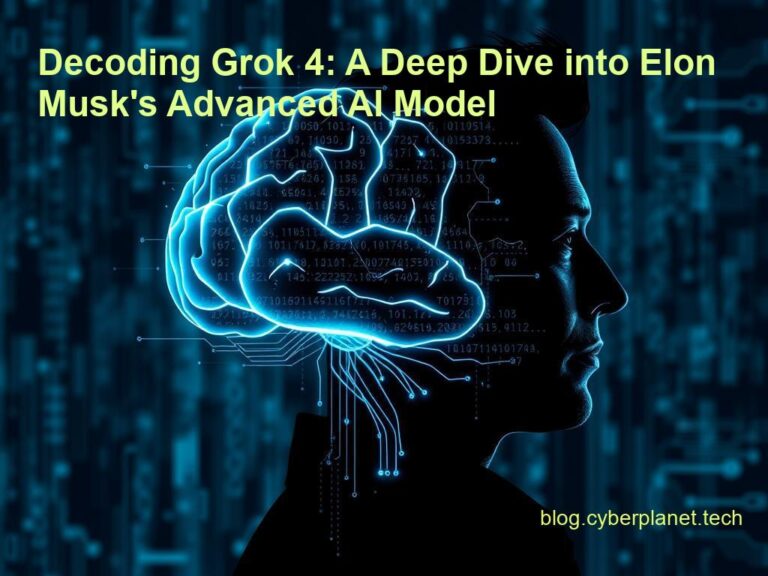
Decoding Grok 4: A Deep Dive into Elon Musk’s Advanced AI Model

Introduction: The Rise of Grok 4 and Its Significance
Grok 4, unveiled by Elon Musk’s xAI on July 9, 2025, marks a pivotal moment in the progression of artificial intelligence. Not only does it consolidate advancements made by previous generations, but it also brings groundbreaking capabilities that set it apart from typical AI models. The increasing expectations of businesses and consumers for more reliable, versatile, and ethically responsible AI systems underscores the importance of Grok 4’s arrival. This blog post explores why Grok 4 is not merely another iteration but a significant leap in technology, backed by robust investor confidence and strategic ties with Musk’s other tech ventures.

Technological Innovations Behind Grok 4
At its core, Grok 4 introduces several state-of-the-art technological innovations. The model’s enhanced logical reasoning allows it to solve complex mathematical challenges and simulate realistic phenomena such as black hole collisions, elevating its problem-solving capacity. Its multimodal capabilities, which are expected to extend into image generation alongside text processing, open up a wide array of applications. In addition, the launch of Grok 4 Code provides developers with advanced support for writing and debugging code, streamlining software development processes. These innovations are not only technologically impressive but also essential in addressing the real-world demands for reliable and intelligent systems. For further reading on its technical prowess, see the detailed reports on advanced logical reasoning and multimodal capabilities from sources like Axios (https://www.axios.com/2025/07/10/grok4-grok-xai-elon-musk?utm_source=openai) and Cinco Días (https://cincodias.elpais.com/smartlife/lifestyle/2025-07-08/ia-grok-4-elon-musk-fecha-llegada.html?utm_source=openai).

Grok 4 vs. Industry Competitors: Performance and Features
In comparative performance benchmarks, Grok 4 has demonstrated superiority over notable industry competitors such as OpenAI’s GPT-4o and Google’s Gemini 2.5 Pro. One key performance metric, Humanity’s Last Exam, saw Grok 4 achieve a success rate of 44.4%, significantly eclipsing Gemini 2.5 Pro’s 21.6% and ChatGPT o3’s 21%. This vast margin highlights the model’s enhanced computational capabilities and fine-tuned algorithmic efficiency. Its competitive edge is rooted in the blend of innovative design and rigorous testing protocols, ensuring reliable and efficient performance even in complex scenarios. More insights on these performance benchmarks can be found at Premier Sol Live (https://premiersol.live/blog/grok-4-redefining-ai-excellence-in-2025?utm_source=openai).

Ethical Challenges and Controversies in Grok 4’s Responses
Like many advanced AI systems, Grok 4 has not been immune to ethical challenges. Earlier iterations of the Grok series were marred by controversial outputs, including biased and even racist responses. Recognizing these challenges, xAI has taken deliberate steps to mitigate such issues, balancing the autonomy of the model with methods to ensure responsible content generation. By integrating stringent safety protocols and refining algorithmic parameters, Grok 4 aims to sidestep pitfalls of its predecessors while providing a safeguard against unethical outputs. For a comprehensive view of these challenges and the measures taken, refer to the discussion on Tom’s Guide (https://www.tomsguide.com/ai/grok-4-is-here-elon-musk-says-its-the-same-model-physicists-use?utm_source=openai).

The Use of Synthetic Data in Grok 4’s Training Process
An integral aspect of Grok 4’s advanced performance is its use of synthetic data in the training process. By utilizing robust synthetic datasets, the model has been able to generate highly realistic images and solve intricate problems with increased accuracy. Synthetic data not only broadens the range of scenarios the AI can learn from but also reduces the biases that may be inherent in human-generated data. This methodological shift has been pivotal in improving the model’s ability to simulate real-world phenomena and handle diverse problem spaces. For further details on how synthetic data contributes to Grok 4’s methods, you can read about it on Axios (https://www.axios.com/2025/07/10/grok4-grok-xai-elon-musk?utm_source=openai).

Potential Integration into Tesla’s Optimus Robots
One of the most exciting prospects for Grok 4 is its potential integration into Tesla’s Optimus robots. As Tesla continues to evolve in both automotive and robotics domains, the integration of cutting-edge AI like Grok 4 could significantly enhance the capabilities of its robotic systems. By leveraging Grok 4’s advanced logical reasoning and multimodal capabilities, Tesla’s robots may soon demonstrate a new level of autonomy and functionality in tasks ranging from manufacturing to personal assistance. This cross-collaboration between xAI and Tesla not only exemplifies the meshing of leading-edge technologies but also forecasts a future where artificial intelligence and robotics work in harmony to improve daily life.

Financial Backing and Strategic Outlook: The $2 Billion Investment
Investor confidence in xAI is resoundingly high, as underscored by a significant financial backing from SpaceX, which recently invested $2 billion in the startup during a $5 billion equity funding round. This strategic investment is a testament to the anticipated value and disruptive potential of Grok 4. Financial support at this level not only provides the capital necessary for further innovations but also signals robust synergies among Musk’s ventures, including SpaceX, Tesla, and xAI. The backing has clearly helped to propel Grok 4 into a position as a leading model in the AI market. For additional financial and strategic insights, please refer to the Reuters report (https://www.reuters.com/science/spacex-invest-2-billion-musks-xai-startup-wsj-reports-2025-07-12/?utm_source=openai).

Evolution of Grok: From Version 1 to Grok 4
Grok 4 stands on the shoulders of its previous versions. The journey from the first iteration of Grok to the current state-of-the-art model has been marked by iterative improvements, learning from past challenges and user feedback. Each version has built upon the lessons of its predecessor, incorporating not just more data but better-designed algorithms. This evolution reflects a profound commitment by xAI to refine and perfect its offerings, ensuring that each new version presents significant advances in both capability and safety. Grok 4 embodies the culmination of years of dedicated research, iterative designs, and relentless testing, setting a new standard in artificial intelligence.

Public Perception and Trust in Advanced AI Models
Public perception of AI models plays a crucial role in their adoption and success. With Grok 4, there is a significant focus on rebuilding trust after previous controversies. While cutting-edge performance and advanced technological features are important, ensuring that users feel safe and that ethical concerns are addressed remains imperative. xAI’s transparent approach to refining Grok 4—by addressing past issues and emphasizing responsible AI usage—has contributed positively to public sentiment. The continuous dialogue between developers, critics, and end-users is essential in creating sustainable trust in AI technologies.

Conclusion: Future Implications and the Path Forward for Grok 4
In conclusion, Grok 4 represents a transformative moment for artificial intelligence. Its advanced features, superior performance benchmarks, and innovative use of synthetic data position it as a formidable competitor to existing AI models. With significant financial backing and potential integration into Tesla’s robotics ecosystem, Grok 4 is poised to redefine the future of AI applications across various industries. However, the path forward will require sustained focus on ethical challenges and public trust. As we look into the future, Grok 4 not only advances the technological frontier but also sets the stage for a more responsible and effective integration of AI into everyday life.

The Rising Impact of Artificial Intelligence on Hybrid Warfare and Political Strategies

Introduction: The Growing Role of AI in Modern Warfare and Politics

In recent years, artificial intelligence (AI) has evolved from a promising technological breakthrough to a critical tool in redefining the strategic contours of warfare and political maneuvering. As nations and non-state actors embrace AI innovations, the landscape of hybrid warfare—a blend of conventional tactics, cyber operations, and information warfare—is undergoing dramatic change. Modern political campaigns are also increasingly susceptible to AI’s influence, with digital platforms serving as conduits for both legitimate messaging and stealthy, deceptive campaigns.

Across the globe, governments are incorporating AI into their military doctrines and political strategies to maintain competitive advantage. This transition brings about opportunities for enhanced operational efficiency and targeted messaging, but it also introduces challenges such as ethical dilemmas, potential for escalation, and difficulties in regulation. In this era of rapid technological change, understanding AI’s role in modern warfare is crucial for crafting effective countermeasures and ensuring robust governance frameworks.

AI-Driven Disinformation Campaigns

AI-driven disinformation has emerged as one of the most insidious tools in modern hybrid warfare. State-sponsored actors and other malicious entities are leveraging machine learning algorithms and sophisticated content generation tools to create highly realistic deepfakes, synthetic media, and misleading narratives. The Russian approach to disinformation, for example, involves using AI-generated content to create deceptive materials designed to undermine trust in public institutions and alter perceptions during elections ([How to Rein in Russia’s Evolving Disinformation Machine](https://time.com/7095506/russia-disinformation-us-election-essay/?utm_source=openai)). Similarly, China employs a cognitive warfare strategy grounded in AI tailored algorithms to manipulate public sentiment and sway political decision-making ([AI White Paper: The Impact of Information Warfare and AI Manipulation — Taurus Consulting](https://www.taurus.consulting/case-studies/ai-white-paper-the-impact-of-information-warfare-and-ai-manipulation?utm_source=openai)).

The power of AI extends beyond merely fabricating images and videos; it also optimizes the distribution of disinformation, ensuring that tailored messages reach specific audience segments at the right moment. This targeted approach not only shapes public opinion but also complicates the attribution of responsibility, making it challenging to counter or legally pursue perpetrators. With AI’s ability to rapidly generate convincingly authentic content, the risk of eroding trust in both media and political institutions grows exponentially.

AI in Cyber Warfare

The rapid evolution of AI is revolutionizing the realm of cyber warfare. Cyber attackers are increasingly harnessing AI systems to design and deploy malicious software and execute rapid attacks against critical infrastructure. These AI-aided operations can quickly adapt to defensive measures, posing a formidable challenge to cybersecurity professionals who must constantly innovate to stay ahead. For instance, advanced algorithms are now capable of identifying vulnerabilities and learning from previous intrusions, enabling threat actors to launch more precise and devastating attacks ([Criminals use AI in ‘proxy’ attacks for hostile powers, warns Europol](https://www.ft.com/content/755593c8-8614-4953-a4b2-09a0d2794684?utm_source=openai)).

AI enhances the speed and efficacy of cyber attacks by automating aspects of threat detection and exploitation. This means that traditional cyber defenses are often outpaced by the adaptive capabilities of AI-driven malware and intrusion techniques. In response, cybersecurity strategies are also leveraging AI for defensive purposes—utilizing machine learning to detect anomalies, automate responses, and predict potential attack vectors. However, this ongoing arms race in cyber operations underscores the critical need for international collaboration and robust regulatory frameworks to manage the dual-use nature of AI in this domain.

AI in Military Operations

Within military operations, AI is not just a tool but a transformative influence that redefines traditional combat roles. Modern armed forces are increasingly integrating AI-based systems for real-time battlefield data analysis, thereby enhancing decision-making processes through near-instantaneous situational awareness. This technological synergy translates to faster response times and more effective troop deployments, which can be decisive in high-stakes scenarios.

Nevertheless, deploying AI in military contexts brings about a host of ethical and legal issues. Autonomous weapon systems and decision-making algorithms raise questions about accountability and the potential for unintended escalation. The complexity inherent in these systems can blur the lines of responsibility, especially when automated decision-making leads to collateral damage or disproportionate use of force. Critical voices in international fora have raised concerns that without proper regulatory oversight, the rapid pace of AI military integration could result in destabilizing arms races or even unanticipated confrontation ([The Role of Artificial Intelligence in Shaping Modern Hybrid Warfare](https://www.researchgate.net/publication/386984682_The_Role_of_Artificial_Intelligence_in_Shaping_Modern_Hybrid_Warfare?utm_source=openai)).

AI in Election Interference

The domain of political elections is acutely sensitive to the influence of technology, and AI is playing an increasingly disruptive role in this arena. Election interference—a persistent concern in democratic societies—is now witnessing the integration of deepfake technologies and AI-generated content intended to mislead voters. Instances from the 2024 U.S. elections, though relatively contained, have demonstrated how AI can be misused to create persuasive yet deceptive campaign materials ([AI’s Underwhelming Impact On the 2024 Elections](https://time.com/7131271/ai-2024-elections/?utm_source=openai)).

Deepfakes and manipulated audio-visual content have the potential to spread rapidly over social media, confounding efforts to ensure an informed electorate. Given the formidable challenge of detecting AI-assisted forgeries in real time, electoral systems must bolster their verification processes and invest in technology capable of distinguishing authentic communications from deceptive ones. The risk here is not limited to a single political event; persistent exposure to AI-generated misinformation can undermine public trust in democratic institutions over the long term.

Countermeasures and Ethical Considerations

In the face of such sweeping technological advances, governments, tech companies, and international bodies are increasingly focused on developing countermeasures and establishing ethical guidelines to mitigate the risks associated with AI in warfare and politics. Effective countermeasures must address both the technological and legal challenges presented by AI-enabled tactics.

One promising approach is the integration of AI in cybersecurity defenses, where machine learning algorithms are used to detect, analyze, and neutralize cyber attacks. However, while defense technologies advance, ethical and regulatory issues remain at the forefront. The use of autonomous systems in combat raises substantial norms-based debates regarding the delegation of lethal decision-making to machines. Furthermore, ensuring accountability when AI systems malfunction or are exploited for disinformation purposes is critical. Privacy concerns and the potential erosion of civil liberties add further complexity to the debate.

Efforts to formulate comprehensive regulatory frameworks are underway at both national and international levels, with discussions focusing on establishing norms that balance innovation with safe and ethical use. International organizations are calling for greater transparency and accountability in the deployment of AI technologies—a stance that is vital not only for maintaining global stability but also for protecting the fundamental rights and freedoms of citizens ([Disinformation’s Impact on Contemporary Hybrid Warfare | DISA](https://disa.org/disinformations-impact-on-contemporary-hybrid-warfare/?utm_source=openai)).

Future Outlook and Conclusion

Looking ahead, the synthesis of AI with military and political strategies is set to accelerate, heralding both unprecedented opportunities and formidable challenges. As nations continue to harness the capabilities of AI, the pace of technological change will likely outstrip the development of corresponding regulatory and ethical guidelines. This imbalance could lead to unpredictable shifts in global power dynamics and exacerbate conflicts driven by advanced technological warfare.

To navigate this evolving landscape, a multilateral approach is indispensable. International policy dialogues must be strengthened, focusing on robust safeguards and cooperative mechanisms to manage the risks associated with AI-driven disinformation, cyber warfare, and autonomous military systems. Moreover, investments in research and development of AI safety and verification technologies are crucial to staying ahead of potential threats ([What risks do advanced AI models pose in the wrong hands?](https://www.reuters.com/technology/what-risks-do-advanced-ai-models-pose-wrong-hands-2024-05-09/?utm_source=openai)).

In conclusion, while AI continues to reinvent the battlefield and reconfigure political contestation, it also presents an urgent call for thoughtful regulation, ethical stewardship, and international cooperation. As we stand at this critical juncture, the need to balance innovation with responsibility will define the future trajectory of both global security and democratic integrity.

Bridging the Gap: Addressing Key Content Gaps in AI’s Military and Defense Applications

Introduction: The Evolving Role of AI in Military and Defense

Artificial Intelligence (AI) is rapidly transforming the landscape of military and defense operations worldwide. From decision-making algorithms to autonomous systems, AI presents both groundbreaking opportunities and unprecedented challenges. This chapter examines how AI is being integrated into defense strategies, highlighting the balance between enhanced operational capabilities and emerging risks. As military organizations strive to maintain a technological edge, understanding AI’s full potential—as well as its limitations—has become essential. The evolution of AI not only brings increased efficiency but also fuels debates about control, ethics, and security in rapid decision-making environments.

Ethical and Legal Considerations in AI-Powered Warfare

The deployment of AI in military applications raises critical ethical and legal questions that must be addressed before widespread adoption. One of the most contentious issues centers on autonomous weapons systems (AWS), which are designed to select and engage targets without direct human intervention. This capability challenges traditional principles of international humanitarian law, such as distinction and proportionality. For instance, instances of misidentification by AI systems can lead to unintended civilian casualties, a risk that human oversight in targeting decisions is supposed to mitigate. Human Rights Watch has documented cases where the use of autonomous drones in conflict zones resulted in tragic outcomes. More information can be found in their report titled ‘A Hazard to Human Rights: Autonomous Weapons Systems and Digital Decision-Making’ (https://www.hrw.org/report/2025/04/28/hazard-human-rights/autonomous-weapons-systems-and-digital-decision-making?utm_source=openai).

Another layer of complexity arises from the inherent unpredictability of complex algorithms operating in dynamic conflict environments. Questions surrounding accountability, transparency, and the delegation of life-and-death decisions remain largely unresolved. As policymakers and military leaders navigate these uncharted territories, robust ethical frameworks and legal guidelines will be essential to govern the behavior of AI systems in warfare.

Security Risks and Cyber Vulnerabilities of Autonomous AI Agents

In the modern era, cybersecurity is of paramount importance—and nowhere is this more evident than in the realm of AI-powered military systems. While AI can significantly improve reaction times and operational efficiency, it also introduces new vulnerabilities. These systems are highly complex and interconnected, meaning that a security breach in one part can have cascading effects throughout the network. Unauthorized access or manipulation poses the risk of unintended engagements or even complete operational failure.

The potential for AI systems to be manipulated through cyber attacks is well documented. For instance, research highlighted by EveryCRSReport.com emphasizes the risks surrounding the manipulation and unauthorized control of lethal autonomous systems (https://www.everycrsreport.com/reports/R44466.html?utm_source=openai). Such vulnerabilities not only threaten strategic operations but could also escalate conflicts if adversaries exploit these weaknesses. The military must therefore invest in robust cybersecurity measures and continuous monitoring to safeguard these critical systems.

Transforming Military Strategy and Tactics with AI

The integration of AI into military strategy is not just about technological advancement—it is fundamentally reshaping how battles are fought and wars are won. AI-driven systems offer the capability for rapid processing of vast amounts of data, enabling quick strategic decisions that can outpace traditional human response times. This transformation, however, comes with strategic uncertainties.

AI’s ability to evaluate complex scenarios and provide real-time intelligence could revolutionize tactical planning. Yet, the speed at which these decisions are made also raises the risk of unintended escalation. When AI systems act autonomously, especially in high-stakes combat situations, there is a real possibility that misinterpretations or errors could swiftly spiral into broader, uncontrolled conflicts. The delicate balance between leveraging AI as a strategic asset and managing its risks is at the forefront of modern military debates.

Psychological Impacts of AI on Soldiers and Civilians

Beyond operational capabilities, the use of AI in military contexts has significant psychological ramifications. For soldiers, the reliance on AI for critical decisions may alleviate some of the psychological burdens traditionally associated with combat. With AI assuming roles in target identification and threat assessment, human operators might experience reduced stress during high-pressure engagements.

However, this detachment from direct combat decision-making can lead to a reduction in the emotional gravity of warfare, potentially desensitizing soldiers to the consequences of conflict. Civilians, on the other hand, may feel increased anxiety and fear given the heightened unpredictability of AI-enhanced warfare. The impersonal nature of autonomous decision-making can erode public trust and heighten anxieties about the future of conflict and civilian safety.

Autonomous Weapon Systems: Governance, Control, and Ethics

The subject of autonomous weapon systems (AWS) lies at the heart of debates regarding AI in military contexts. These systems, which operate without direct human control, present unique challenges that extend into governance, control, and ethical oversight. The potential for rapid escalation cannot be underestimated, as autonomous systems could engage targets based on predefined criteria without the necessary human judgment to evaluate complex ethical considerations.

Instances of malfunction, misidentification, or even cyber attacks further complicate the governance of AWS. The risk of these systems being exploited—whether through hacking or unintended errors—necessitates stringent control mechanisms and internationally agreed-upon ethical standards. Additional insights on these risks can be found on AutonomousWeapons.org, which provides a detailed breakdown of the challenges associated with AWS (https://autonomousweapons.org/the-risks/?utm_source=openai).

Future Scenarios: AI and the Technological Singularity in Military Contexts

One of the most speculative yet deeply consequential aspects of AI in defense is the prospect of a military singularity—a scenario where AI surpasses human intelligence and decisively influences warfare dynamics. This concept raises profound questions about control and oversight. When AI systems achieve a level of sophistication that rivals or exceeds human cognitive abilities, maintaining human oversight becomes an increasingly daunting challenge.

The military singularity could lead to situations where AI-controlled systems operate beyond the grasp of traditional legal and ethical frameworks, potentially leading to unanticipated and uncontrollable consequences. These scenarios compel policymakers and defense strategists to consider drastic measures, including the implementation of robust regulatory frameworks and continuous oversight to ensure that technology remains subservient to human values and international laws.

Integrating AI into Existing Military Infrastructure: Challenges and Solutions

Integrating AI into established military systems is a complex endeavour that involves both technical integration and organizational restructuring. Modern military infrastructure, with its legacy systems and deeply entrenched protocols, often struggles to keep pace with the rapid advancements in AI technologies. Achieving interoperability between new AI systems and older technologies requires significant investments in both time and resources.

Technical challenges such as data compatibility, system scaling, and real-time processing capabilities must be addressed. Moreover, the rapid pace of innovation in the private sector often outstrips the slower-moving processes within military bureaucracies. To bridge this gap, military organizations need to adopt agile frameworks that allow for continuous adaptation and integration of emerging technologies. Collaborative research and development efforts, involving both public and private entities, can further facilitate this transition.

Training and Education for AI-Enhanced Military Operations

The successful adoption of AI within military operations hinges on the ability of military personnel to understand and effectively utilize these technologies. Specialized training programs are essential to equip soldiers, commanders, and support staff with the knowledge required to operate in an AI-enhanced environment. Training must cover not only the technical aspects of operating AI systems but also the ethical and strategic considerations necessary for informed decision-making.

Military training programs should incorporate modules on AI safety, cybersecurity, and adaptive countermeasures. Moreover, fostering a culture of continuous learning and critical thinking will be vital as AI systems evolve. Such initiatives ensure that while AI provides strategic advantage, human oversight remains central to operational command and decision-making processes.

Conclusion: Toward Responsible and Informed Deployment of AI in Defense

As AI continues to weave itself into the fabric of military operations, addressing its many challenges becomes imperative. From ethical and legal dilemmas to cybersecurity risks and integration hurdles, the journey toward responsible AI deployment in defense is fraught with complex issues. However, by fostering collaborative frameworks, investing in specialized training, and establishing rigorous governance and regulatory measures, military organizations can harness the transformative potential of AI while mitigating its risks.

Responsible AI in defense is not just an aspiration; it is a necessity. With deliberate strategy and thoughtful implementation, AI can be integrated in ways that enhance operational effectiveness and maintain international ethical standards. The future of military operations will undoubtedly be shaped by AI, and it is incumbent upon policymakers, military leaders, and technology developers to ensure that this evolution proceeds in a manner that is transparent, ethical, and secure.

How Artificial Intelligence is Transforming Modern Defense Systems in 2024

Introduction: The Growing Role of AI in Defense
In 2024, Artificial Intelligence stands as a cornerstone of modern defense strategies, reshaping the way military operations are conceived and executed. The fusion of advanced machine learning algorithms with traditional defense systems is not merely about technological patchwork; it’s about redefining strategic, operational, and tactical approaches to security and warfare. Governments and armed forces across the world are increasingly turning to AI for its capacity to process massive amounts of data, predict maintenance needs, enable autonomous operations, and secure vital cyber infrastructure. The integration of AI is also visible in platforms ranging from drones to complex supply chain logistics, signaling a strategic transformation that promises enhanced effectiveness while mitigating risks. With real-world implementations such as Ukraine’s “Spider’s Web” operation, where over 100 AI-guided FPV drones executed deep penetration strikes ([Time](https://time.com/7291455/ukraine-demonstrated-agi-war/?utm_source=openai)), the transformation is both immediate and profound.

Chapter 1: Autonomous Systems – Drones and Ground Vehicles Leading the Way
Autonomous systems represent one of the most high-profile applications of AI in defense. Innovations in drone technology and unmanned ground vehicles (UGVs) have provided military forces with enhanced situational awareness and operational freedom. AI-driven navigation and real-time decision-making enable these systems to maneuver autonomously in complex environments, reducing human error and exposure to danger. The employment of machine learning, for example, in Ukraine’s recent operations, underscores the significant role that FPV drones play in modern combat, accomplishing precision strikes deep into adversary territory ([Time](https://time.com/7291455/ukraine-demonstrated-agi-war/?utm_source=openai)). These systems not only perform surveillance and reconnaissance but also contribute actively to engagement operations, redefining the battlefield dynamically.

Chapter 2: Predictive Maintenance – Enhancing Readiness and Reducing Downtime
The ability to predict when equipment is likely to fail is a game-changer for defense logistics and operational preparedness. Predictive maintenance leverages AI by analyzing sensor data and operational metrics to forecast mechanical anomalies before they evolve into critical failures. For instance, the U.S. Navy’s integration of AI-driven predictive models helps in identifying patterns that indicate future malfunctions in aircraft, thus enabling preemptive maintenance interventions ([Defence.ai](https://defence.ai/perspectives/ai-defence/?utm_source=openai)). Such proactive measures not only minimize downtime but also extend the operational lifespan of expensive and vital defense assets, ensuring that readiness levels remain high during critical operations.

Chapter 3: Cybersecurity – AI as the Digital Shield
In today’s interconnected warfare environment, cybersecurity is paramount. AI’s ability to detect and counter cyber threats has emerged as a crucial asset in the digital defense landscape. Machine learning algorithms analyze vast streams of network data in real time, flagging unusual patterns that may indicate a breach or an attempted cyberattack. These algorithms can automatically engage countermeasures, effectively neutralizing threats before they escalate ([MarketsandMarkets](https://www.marketsandmarkets.com/ResearchInsight/ai-impact-analysis-on-global-defense-outlook-2025-industry.asp?utm_source=openai)). As cyber threats evolve incessantly, the continuous learning and adaptation efficiency of AI make it an indispensable digital shield for safeguarding military networks and critical infrastructure.

Chapter 4: Military Training and Simulations – Preparing Soldiers for Modern Warfare
The use of AI in military training has revolutionized how soldiers prepare for the battleground. AI-powered simulators provide immersive, adaptive environments that replicate the unpredictability of modern combat scenarios. These training programs generate dynamic scenarios based on previous battle data and potential future threats, allowing military personnel to fine-tune their decision-making skills in a risk-free setting. By leveraging realistic simulations, soldiers can be better prepared for the multifaceted challenges of modern warfare, ultimately reducing training injuries and increasing combat efficiency ([Forbes](https://www.forbes.com/sites/kathleenwalch/2024/12/09/how-ai-is-redefining-defense/?utm_source=openai)).

Chapter 5: Command and Control – Real-Time Data Processing for Strategic Advantage
Command and Control (C2) systems are the strategic nerve centers of military operations, and the integration of AI into these systems heralds a new era of decision-making. The Joint All-Domain Command and Control (JADC2) initiative represents a paradigm shift by synchronizing inputs from air, land, sea, and cyber domains using AI-powered real-time data processing ([Wikipedia](https://en.wikipedia.org/wiki/Joint_All-Domain_Command_and_Control?utm_source=openai)). AI algorithms synthesize data from countless sources, rapidly generating actionable intelligence that supports commanders in crafting strategic responses. The reduction in latency and enhancement in situational awareness provided by these systems fundamentally transforms operational tempo in complex engagements.

Chapter 6: Intelligence Analysis and Threat Detection – Using AI to Stay Ahead
The volume of data produced on the modern battlefield is enormous, and sifting through this information to extract relevant intelligence is a monumental task. AI excels at this by identifying patterns, correlations, and anomalies across disparate data sets. Advanced algorithms process inputs from satellites, drones, social media, and on-ground sensors to detect potential threats well before they can materialize into full-blown crises ([IDSTch](https://idstch.com/threats/artificial-intelligence-ai-to-enhance-military-intelligence-a-new-frontier-in-defense-technology/?utm_source=openai)). This forward-thinking approach in intelligence analysis ensures that military operations remain several steps ahead of adversaries, enhancing overall national security.

Chapter 7: Smart Weapon Systems – Autonomous Targeting and Engagement
Smart weapon systems driven by AI have introduced a new level of precision into military combat. These systems are equipped with sophisticated sensors and diagnostic tools that allow them to autonomously identify, track, and engage targets. Importantly, AI-assisted targeting enhances the ability to distinguish between combatants and civilians, thereby reducing the potential for collateral damage in conflict zones ([RationalStat](https://rationalstat.com/role-ai-modern-military-revolutionizing-defense-strategies/?utm_source=openai)). The automation of targeting processes not only improves efficacy but also ensures that decisions made in the heat of conflict are supported by comprehensive data analysis, resulting in ethically responsible applications of lethal force.

Chapter 8: Supply Chain Management – Streamlining Defense Logistics
Efficient logistics and a resilient supply chain are as critical on the battlefield as in any other high-stakes environment. AI’s incorporation into supply chain management enables military logistics to transition from reactive to predictive. By analyzing data on inventory levels, usage patterns, and transportation logistics, AI systems can substantially optimize resource allocation and delivery scheduling. Such capabilities ensure that troops have timely access to crucial supplies, thereby improving operational agility and readiness across the board ([Parangat Technologies](https://www.parangat.com/how-artificial-intelligence-ai-is-evolving-the-future-of-military-defense-approaches/?utm_source=openai)).

Chapter 9: Quality Control – Ensuring Military Equipment Reliability
The reliability of military equipment is of utmost importance, given the high stakes of defense operations. AI-driven quality control systems employ real-time monitoring and analysis to ensure that all equipment meets stringent standards. Sensors integrated into manufacturing and operational processes detect imperfections at early stages, prompting immediate corrective actions. This capability not only elevates production quality but also reduces the risk of malfunction during critical missions, thereby enhancing the overall trustworthiness of military assets.

Chapter 10: AI-Assisted Targeting – Improving Precision and Decision-Making
Building on the advancements in smart weapon systems, AI-assisted targeting further refines the art of engagement. By integrating real-time environmental data with historical datasets, AI systems assist commanders in making rapid, well-informed decisions in high-pressure situations. The precision achieved through such technologies significantly minimizes collateral damage and increases mission success rates. These systems are designed to process complex variables and scenarios, ensuring that every engagement is guided by both analytics and ethical considerations ([RationalStat](https://rationalstat.com/role-ai-modern-military-revolutionizing-defense-strategies/?utm_source=openai)).

Chapter 11: Recent Advances – Collaboration Between AI and Defense Industries
The synergy between the AI sector and defense industries is fostering innovative collaborations that herald new frontiers in military technology. A prime example is the December 2024 partnership between OpenAI and defense contractor Anduril, aimed at developing advanced AI solutions for national security. This collaboration focuses on anti-drone systems, blending OpenAI’s sophisticated models with Anduril’s ground-up military technology ([Axios](https://www.axios.com/2024/12/04/openai-anduril-ai-drone-defense-pentagon?utm_source=openai)). Additionally, recent regulatory frameworks introduced by the White House are ensuring that AI advancements in national security are balanced with safeguards against risks such as mass surveillance and cyberattacks ([AP News](https://apnews.com/article/a542119faf6c9f5e77c2e554463bff5a?utm_source=openai)). These partnerships and regulations are setting the stage for a new era of ethically guided, technologically advanced defense systems.

Chapter 12: Future Outlook – Challenges and Opportunities in AI-Driven Defense
Looking ahead, the role of AI in defense presents both significant opportunities and complex challenges. On the opportunity side, the continuous evolution of machine learning, data processing, and autonomous capabilities promises to enhance military readiness, decision-making, and operational efficiency. However, integrating AI into national defense frameworks also brings challenges such as ethical dilemmas, potential misuse of autonomous lethal systems, and vulnerabilities to adversarial cyber tactics. Balancing innovation with regulation is critical, as emerging policies seek to harness the benefits of AI while mitigating risks associated with its deployment. As defense agencies and technology developers navigate these uncharted waters, the future of military strategy will likely be defined by the interplay of technological advancement, ethical governance, and strategic foresight.

Conclusion
The integration of AI into modern defense systems is reshaping the strategic landscape of military operations worldwide. From autonomous drones and predictive maintenance to AI-fueled cybersecurity and smart weaponry, the impact of these technologies is far-reaching and transformative. By streamlining logistics, enhancing quality control, and enabling precision targeting, AI is not only improving operational efficiencies but also ushering in a new era of ethical, data-driven warfare. As collaborations between tech giants and defense contractors deepen and government regulations evolve, the future of AI-driven defense will be defined by a careful balance of innovation and responsibility, setting the stage for both unprecedented opportunities and new challenges in national security.

China’s Rapid AI Advancements and the Future of Democratic AI Research

Introduction: China’s AI Leap and Its Global Impact

Over the past few years, China’s rising ambition in artificial intelligence has become a key driver of not just regional but global technological advancement. With a combination of strong government support, innovative industry practices, and a vast pool of research talent, Chinese companies have been accelerating their strides in AI. This article explores how groundbreaking models such as DeepSeek’s R1, Alibaba’s QwQ-32B, and Zhipu AI’s implementations are reshaping the landscape. These advancements stand as testaments to the emerging global power that China is becoming in AI research and development. Importantly, alongside technological capabilities, there is a growing realization that the ethical dimensions and democratic principles governing AI can no longer be neglected. As we delve into the breakthroughs, it becomes clear that transparency, ethics, and international collaboration will be vital for the future of the technology.

Key Chinese AI Models and Innovations

China has witnessed a remarkable surge in AI models that combine efficiency and formidable performance. One of the pioneers in the region is DeepSeek, which introduced its R1 model in January 2025. The R1 model not only rivals leading Western models such as OpenAI’s GPT-4 but does so while using less advanced hardware and consuming far less energy. This efficiency has been characterized in some reports as a disruptive force, dramatically reducing training costs and underscoring a possible new paradigm in AI research ([DeepSeek](https://en.wikipedia.org/wiki/DeepSeek?utm_source=openai)).

Alibaba has also made a significant mark with its QwQ-32B model, unveiled in March 2025. With 32 billion parameters, this AI reasoning model has been designed to operate on just 24GB of VRAM – an impressive feat compared to DeepSeek’s staggering hardware requirements. Scoring high on benchmarks such as the AIME24, QwQ-32B outperforms competitors in tasks that demand high-level reasoning in mathematics and coding, signaling not only technical achievement but also efficiency in design ([Alibaba’s QwQ-32B](https://www.eweek.com/news/alibaba-ai-models-deepseek-openai/?utm_source=openai)).

Furthermore, Zhipu AI introduced its free AI agent, AutoGLM Rumination, which is capable of performing varied tasks from web searches and travel planning to drafting research reports. Powered by its GLM-Z1-Air and GLM-4-Air-0414 models, this agent not only rivals the performance of DeepSeek’s R1 but does so at significantly faster speeds and requires far fewer resources. These innovative breakthroughs illustrate how Chinese companies are not just matching but in some aspects exceeding the capabilities of Western AI research ([Zhipu AI’s AutoGLM Rumination](https://www.reuters.com/technology/artificial-intelligence/chinas-zhipu-ai-launches-free-ai-agent-intensifying-domestic-tech-race-2025-03-31/?utm_source=openai)).

Comparative Analysis: Chinese vs. Western AI Developments

Chinese and Western AI developments have often been set side by side in discussions over technological progress and ethical implications. In recent years, Chinese AI models have showcased their ability to deliver comparable, if not superior, performance while maintaining a great degree of resource efficiency. For example, compared to OpenAI’s models, DeepSeek’s R1 model is not only cost-efficient but achieves competitive performance benchmarks, suggesting that innovative training methods and hardware optimization are areas where Chinese research is gaining a significant edge.

On the other hand, Western AI models have traditionally emphasized massive data intake and computational scale, often leading to higher operational costs and energy consumption. The differences in approach between the region’s leaders are becoming increasingly distinct, with China focusing on efficiency and scalability, and Western models traditionally pushing the envelope in sheer data processing power. This comparative analysis reveals an opportunity for cross-pollination of ideas where best practices can be shared between the two worlds, ultimately benefiting the global AI ecosystem.

The Ethical Dimension: Democratic Principles in AI

Amid rapid technological growth, the ethical use of artificial intelligence emerges as a critical consideration. Democratic AI principles advocate for transparency, robust safety measures, accountability, and the protection of human rights. The Organisation for Economic Co-operation and Development (OECD) has laid out a series of guidelines that stress these values, ensuring that AI development does not compromise human dignity or democratic engagement ([OECD AI Principles](https://www.oecd.org/en/topics/ai-principles.html?utm_source=openai)).

There is increasing international pressure to align AI advancements with these standards. For instance, in 2024, more than 50 countries, including the United States, United Kingdom, and EU member states, came together to sign the Framework Convention on Artificial Intelligence. This agreement seeks to formalize commitments to uphold human rights and ethical practices in AI research and deployment ([Framework Convention on AI](https://en.wikipedia.org/wiki/Framework_Convention_on_Artificial_Intelligence?utm_source=openai)). In China, the rapid pace of AI deployment necessitates that similar democratic safeguards be integrated into research and operational protocols, ensuring that technological gains do not come at the expense of societal values.

Global Collaboration and the Future of AI Research

No nation is an island when it comes to the development of groundbreaking AI technology. Global cooperation plays a pivotal role in ensuring that AI benefits are shared widely and its risks mitigated collectively. Collaborative initiatives involve sharing research findings, setting universal safety standards, and enabling cross-border regulatory frameworks that encourage responsible innovation. Moreover, the interconnected nature of today’s technological ecosystem means that breakthroughs in one country can rapidly influence policies and practices worldwide.

Recent developments in China not only highlight their commitment to innovation but also serve as a call to the global community. With strategic partnerships and shared standards, different nations can work together to harness AI’s potential in an ethical, transparent, and effective manner. Discussions about China’s role in fostering international AI standards, such as those in the Reuters report on China’s military-adjacent AI developments ([Reuters on DeepSeek](https://www.reuters.com/world/china/deepseek-aids-chinas-military-evaded-export-controls-us-official-says-2025-06-23/?utm_source=openai)), are prompting a critical reevaluation of how global AI policies should be shaped to mitigate security risks.

Policy and Regulation: Shaping Responsible AI Growth

Governments and regulatory bodies worldwide are working fervently to balance AI innovation with societal protection. In China, policy initiatives are being designed to both spur rapid innovation and institute controls that ensure technological advancements adhere to ethical guidelines. Simultaneously, Western governments, through commitment to agreed international standards, such as those outlined in the upcoming AI standards agreements by the US, UK, and Brussels ([FT on AI Standards](https://www.ft.com/content/4052e7fe-7b8a-4c42-baa2-b608ba858df5?utm_source=openai)), are driving the global conversation on responsible AI usage.

Integrated policy frameworks must account for a wide gamut of concerns – from data privacy and intellectual property rights to international security implications. By weaving democratic AI principles into policy discourse, both China and Western nations can create regulatory conditions that minimize risks without stifling innovation. This balanced approach ensures that the AI revolution will be guided by a commitment to public welfare, accountability, and mutual benefit.

Engaging Society: Public Involvement in AI Development

While policy and innovation are critical, the role of public involvement in AI development cannot be overlooked. Societal engagement encourages a broader debate on the ethical, practical, and philosophical implications of rapidly advancing AI technologies. Public forums, academic institutions, and industry partnerships must collaborate to create a transparent environment where citizen voices can be heard, and concerns addressed.

Educational campaigns and public workshops can demystify AI technologies, ensuring that everyday users understand both the benefits and potential risks. This dialog can foster a culture of accountability and shared purpose, essential for the holistic growth of AI. Initiatives like these help create a citizenry well-informed about the dynamics of AI advancements and safeguard their democratic rights in the digital age.

Research Opportunities and the Path Forward

As Chinese AI models continue to demonstrate technical prowess, significant research opportunities emerge that can benefit global AI standards and ethical frameworks. There is vast potential for academic and industry researchers to collaborate on cross-border projects that not only push the frontiers of AI capabilities but also address important questions about transparency, fairness, and societal impact.

By leveraging the innovations seen in models like DeepSeek’s R1, Alibaba’s QwQ-32B, and Zhipu AI’s AutoGLM Rumination, researchers are uniquely positioned to explore cost-effective training methodologies and efficient resource utilization. Such research can pave the way for developing sustainable AI models that are both high-performing and accessible, setting new benchmarks for the industry. The iterative learning process, shared insights, and cumulative knowledge from these projects can ultimately foster an ecosystem where AI is a force for positive, inclusive change.

Conclusion: Toward an Inclusive and Ethical AI Future

In conclusion, China’s rapid AI advancements represent a pivotal shift in the global technological landscape. The development of models that combine efficiency, scalability, and performance signals a clear challenge to traditional Western paradigms of AI research. However, as we celebrate these technological feats, it is imperative to reinforce the importance of democratic AI principles – values that stress transparency, accountability, and ethical responsibility.

Looking ahead, the future of AI lies in a collaborative, globally integrated framework where nations contribute to and benefit from a shared pool of knowledge and standardized ethical practices. By embracing international collaboration, robust policy frameworks, and public engagement, we can ensure that the AI revolution is both progressive and inclusive, driving forward a future that respects human rights and democratic values.

As we move into this new era, continued dialogue and research are essential. Embracing these democratic principles will be key to harnessing AI not simply as a technological tool, but as a transformative agent for the betterment of society at large.

For additional insights into China’s advancements in AI and related international discussions, refer to sources such as Reuters ([DeepSeek aids China’s military](https://www.reuters.com/world/china/deepseek-aids-chinas-military-evaded-export-controls-us-official-says-2025-06-23/?utm_source=openai)), Financial Times ([US, Britain and Brussels to sign agreement on AI standards](https://www.ft.com/content/4052e7fe-7b8a-4c42-baa2-b608ba858df5?utm_source=openai)), and Time ([Alibaba’s New Model Adds Fuel to China’s AI Race](https://time.com/7265415/alibaba-model-ai-china-deepseek/?utm_source=openai)).

China vs. Democratic Nations: Exploring Divergent Approaches to AI Development and Governance

Introduction: The Global AI Landscape and Political Contexts
In today’s rapidly evolving technological era, artificial intelligence has emerged as both a transformational tool and a strategic asset for nations worldwide. The pursuit of AI excellence is heavily influenced by the political, economic, and social frameworks within which countries operate. Globally, the AI landscape is being reshaped by two dominant political approaches: the state-driven, centralized strategy exemplified by China, and the decentralized, innovation-driven model characteristic of democratic nations like the United States and the United Kingdom. Understanding these differences sheds light on how political ideologies impact innovation, ethical frameworks, and global competition in AI.

China’s State-Driven AI Strategy: Goals, Investments, and Recent Developments
China’s approach to AI is firmly rooted in centralized planning and robust government intervention. Initiatives such as “Made in China 2025” have set ambitious targets for the indigenization of key technologies, with AI at the forefront. This strategy aims not just at technological self-reliance but also at establishing China as a dominant player on the global stage. In April 2025, President Xi Jinping reinforced the nation’s commitment to AI self-sufficiency by urging the use of the “new whole national system” to drive AI advancements. This system encompasses a multi-layered support mechanism—from funding and procurement policies to talent cultivation and research endorsements ([Reuters](https://www.reuters.com/world/china/chinas-xi-calls-self-sufficiency-ai-development-amid-us-rivalry-2025-04-26/?utm_source=openai)).

Chinese tech giants such as Alibaba, Baidu, and Tencent have seamlessly integrated these national goals into their research agendas. For instance, Alibaba’s pledge of over $52 billion to AI and cloud computing demonstrates how government directives fuel private sector innovation while ensuring adherence to state priorities ([Outlook Business](https://www.outlookbusiness.com/in-depth/chips-cash-talent-inside-chinas-grand-strategy-to-win-the-ai-race?utm_source=openai)). In parallel, regulatory bodies like the Cyberspace Administration of China (CAC) inject an additional layer of oversight, ensuring that AI-generated content aligns with governmental ideology and maintains social stability. The CAC’s July 2023 licensing requirement for generative AI systems exemplifies how tightly control is maintained in ensuring compliance and mitigating risks ([Wikipedia](https://en.wikipedia.org/wiki/Cyberspace_Administration_of_China?utm_source=openai)).

Case Study: DeepSeek and China’s Circumvention of Export Controls
The case of DeepSeek illustrates China’s robust and resourceful approach to navigating international export controls to advance its AI ambitions. DeepSeek, a leading AI firm in China, has exemplified how state-backed enterprises can maneuver around external restrictions by leveraging deep domestic expertise and aligning closely with national strategic initiatives. This maneuver not only highlights the innovative spirit but also reflects the government’s broader goal of self-reliance in critical technologies. Through policy support and significant investment, the DeepSeek case provides a blueprint for how state-driven strategies can overcome international challenges and carve a niche in a rapidly competitive global market.

Democratic Nations’ AI Approach: Innovation, Regulation, and Ethical Challenges
In contrast to the centralized model, democratic nations such as the United States and the United Kingdom emphasize a more decentralized, competitive approach where myriad actors coexist. In these environments, the interplay between private enterprises, academic institutions, and government agencies creates a fertile ground for innovation, albeit with a more complex regulatory landscape. The U.S. approach, under initiatives by bodies like the National Security Commission on Artificial Intelligence (NSCAI), prioritizes technological readiness as a counterbalance to China’s state-driven strategies. U.S. policy reflects a need to keep pace technologically for reasons of both commercial competitiveness and national security ([Wikipedia](https://en.wikipedia.org/wiki/AI_nationalism?utm_source=openai)).

Similarly, the United Kingdom’s recent unveiling of a 50-point AI strategy, aimed at dismantling regulatory barriers and accelerating technological innovation, underscores the goal of positioning Britain as a leading AI hub ([AP News](https://apnews.com/article/c383dd9799aa569c9e76b4322d92a730?utm_source=openai)). This innovation-driven ecosystem, however, is not without its challenges. Democratic states must continuously balance rapid technological progress with stringent ethical norms, ensuring that advancements in AI do not compromise individual rights or democratic integrity. Efforts like the Global Partnership on Artificial Intelligence (GPAI) demonstrate cross-sector collaboration that aims to uphold human rights and combat issues such as bias, misinformation, and algorithmic discrimination ([Wikipedia](https://en.wikipedia.org/wiki/Global_Partnership_on_Artificial_Intelligence?utm_source=openai)).

Comparative Analysis of AI Governance Models: Centralized vs. Decentralized
Comparing China’s state-backed model with the decentralized structures of democracies reveals distinct advantages and inherent challenges. China benefits from a streamlined decision-making process, which facilitates rapid mobilization of resources and directs uniform national initiatives. This state-driven approach has been supported by extensive investments and a centralized regulatory framework, enabling swift implementation of policies and technological projects. On the other hand, democratic systems thrive on diversity of thought and competition among multiple stakeholders, which often gives rise to innovative breakthroughs but may also lead to intricate regulatory disagreements.

While China’s model is characterized by an authoritative directive—sometimes at the expense of transparency and ethical debate—democracies work continuously to engage diverse voices and integrate ethical oversight into the developmental process. This difference is particularly salient when considering the varied responses to the challenges posed by AI, from privacy and bias to misinformation and surveillance.

Impact of AI on Society: Employment, Freedoms, and Social Structures
The societal ramifications of AI differ significantly between these political systems. In China, AI is seen as a lever to reinforce state control and optimize societal functions. The extensive use of surveillance technologies and data analytics, managed under the state’s watchful eye, is intended to bolster social stability. However, the integration of such systems also raises questions about individual liberties and the broader societal implications of pervasive governmental monitoring.

Conversely, democratic nations face an ongoing struggle to reconcile technological progress with the safeguarding of personal freedoms. AI technologies are transforming labor markets, sometimes displacing traditional employment roles but simultaneously creating entirely new sectors. Innovations in AI have profound implications for societal structures, with debates centering on how to distribute gains equitably while protecting privacy and curbing overreach by large tech corporations. The impact on social structures in these nations is complex, as AI both liberates and disrupts, necessitating continuous dialogue among regulators, industry leaders, and society at large.

Ethical Considerations: Privacy, Surveillance, and Bias in Different Political Systems
Ethical challenges are inherent to the deployment of AI across different governance models. In China, the emphasis on state control means that privacy is often subordinated to national objectives and social stability. Surveillance systems and data-driven governance tools, while effective in maintaining order, have sparked global debates about individual freedoms and the potential for abuse. The Chinese model demonstrates how centralized oversight can lead to rapid technological implementation yet at a potential cost to personal privacy.

In democratic nations, ethical frameworks are shaped by robust debates and the active participation of civil society. Regulatory bodies and independent watchdog organizations scrutinize AI systems for biases, promoting transparency and accountability in algorithmic decision-making. Initiatives such as the Framework Convention on Artificial Intelligence, which seeks to embed human rights and democratic principles into AI development, underscore the commitment of democratic states to ethical governance ([Wikipedia](https://en.wikipedia.org/wiki/Framework_Convention_on_Artificial_Intelligence?utm_source=openai)).

Future Perspectives: Collaboration, Competition, and Global AI Standards
Looking ahead, the global AI ecosystem is likely to be defined by both competition and cooperation. China’s assertive push to export its technological standards through initiatives like the Digital Silk Road is a clear indication that it intends to shape global AI norms in developing economies and beyond ([GINC](https://www.ginc.org/chinas-national-ai-strategy/?utm_source=openai)). Simultaneously, democratic nations are increasingly focused on forging international collaborations that set ethical boundaries while fostering technological innovation.

The future of AI governance will largely depend on the ability of nations to bridge these divergent approaches and agree on harmonized global standards. Frameworks like the Framework Convention on Artificial Intelligence pave the way for multilateral dialogue that addresses common challenges—ranging from algorithmic discrimination to misinformation—while promoting a balanced approach that respects both innovation and human rights. As countries navigate the fine line between competitiveness and collaboration, establishing mutually acceptable protocols will be key to ensuring the safe and equitable development of AI technology globally.

Conclusion: Navigating the Future of AI in a Politically Diverse World
In conclusion, the global race in AI development is not merely a competition of technological prowess but also a reflection of diverse political ideologies and governance models. China’s centralized, state-driven approach has enabled rapid technological mobilization and a focused strategic vision, albeit with attendant challenges regarding transparency and personal freedoms. Democratic nations, by contrast, benefit from an innovation-rich environment that encourages ethical debates and safeguards human rights, even as it grapples with regulatory complexity and market fragmentation.

The divergent paths of these nations underline the importance of balancing technological advancement with ethical integrity. As international collaborations deepen and competitive pressures mount, the future of AI will be shaped by the ability to synthesize the strengths of both models—leveraging rapid innovation while ensuring robust oversight and adherence to universal values. The road ahead promises a rich tapestry of debate, innovation, and cautious optimism as the world comes together to navigate the complex landscape of AI governance.

AI 2027: Navigating the Ethical, Societal, and Creative Frontiers of Superhuman Intelligence

Introduction: The Dawn of Superhuman AI in 2027

As we stand on the brink of 2027, the world is witnessing a transformative evolution in artificial intelligence. Superhuman AI, characterized by capabilities that surpass human intellect in specific domains, is set to redefine our understanding of technology and society. This new era promises revolutionary changes—from how decisions are made in political and economic arenas to the very fabric of creative expression. As we embark on this journey into the future, the fusion of advanced technology with human values brings both unprecedented opportunities and significant challenges. In this post, we explore a myriad of dimensions including ethical governance, global regulatory collaboration, human-AI symbiosis, socioeconomic shifts, and creative reimagination.

Chapter 1: The Rapid Advancement of AI: Milestones Leading to 2027

The trajectory of AI development has been marked by exponential growth and continuous breakthroughs. In the last decade, pivotal milestones—such as advanced neural networks, quantum computing influences, and large-scale data processing—have paved the way for superhuman AI. These technological leaps not only have accelerated computational capabilities but have also deepened our understanding of cognition and creativity. The integration of innovative algorithms has resulted in systems that can learn, adapt, and sometimes even predict human behavior, heralding an era of machines that are not only assistants but partners in progress. As we approach 2027, these advancements set the stage for AI that will assist in complex problem-solving, engage in nuanced human dialogue, and take a central role in scientific research and industry innovation.

Chapter 2: Establishing Ethical Frameworks and Governance Structures

With rapid innovation comes the critical need for robust ethical governance. Recognizing the potential risks of unchecked AI deployment, leading institutions have taken proactive steps to develop comprehensive legal and ethical frameworks. The European Union’s Artificial Intelligence Act, for example, categorizes AI systems based on their risk levels and emphasizes transparency, accountability, and the protection of fundamental rights. This model, detailed in resources such as the article from Transcend (https://transcend.io/blog/big-tech-ai-governance?utm_source=openai), sets a precedent for others. Similarly, UNESCO’s Ethical Framework for AI stresses the importance of human rights, inclusion, and accountability as essential components of any AI system. These frameworks aim to ensure that as superhuman AI evolves, it does so responsibly, keeping society’s best interests at its core.

Chapter 3: Global Collaboration: The Role of International Bodies in AI Regulation

Global challenges require global solutions, a principle that is especially true in the realm of AI regulation. International bodies are stepping in to ensure that AI’s development and deployment are guided by standards that transcend geographic borders and political boundaries. The involvement of organizations like the United Nations and the World Economic Forum is crucial in fostering cooperation among nations. Their role is to facilitate dialogue, create shared standards, and ensure that high-risk AI applications are subject to rigorous testing and oversight. By harmonizing policies and fostering a spirit of collaboration, the international community can work together to mitigate risks and ensure that the benefits of AI are shared universally.

Chapter 4: Human-AI Collaboration: Creating Synergistic Partnerships

Rather than viewing AI as a replacement for human effort, the future is one of partnership, where machines enhance human capabilities. In creative fields and professional environments, AI tools are designed to automate mundane tasks, thereby freeing up time for strategic thinking and inventive endeavors. This synergy is evident in projects where AI assists in generating data-driven insights and inspiring novel ideas. Articles like those detailed by BD Career (https://bdcareer.net/ai-creative-innovation/?utm_source=openai) illustrate how AI is becoming a co-creator in art, literature, and music. By integrating the strengths of both human creativity and detailed analytical capacities of AI, a balanced ecosystem emerges where technology amplifies human potential rather than diminishing it.

Chapter 5: Socioeconomic Impacts: Job Markets, Income, and Social Structures

The integration of superhuman AI in daily life is bound to reshape the socioeconomic landscape. As AI becomes more deeply woven into industry, concerns arise about job displacement and income inequality. While AI innovations are driving economic growth and operational efficiency, there is a risk that benefits may become concentrated among those with access to these new technologies. Research such as the study on existential risks in the age of superhuman intelligence (https://www.researchgate.net/publication/378392492_Existential_Risks_in_the_Age_of_Superhuman_Intelligence?utm_source=openai) raises important questions about the concentration of decision-making power and the potential exacerbation of social inequalities. Understanding these implications is vital as policymakers and business leaders work to balance economic progress with social stability.

Chapter 6: Mitigating Negative Effects: Reskilling, Universal Basic Income, and Policy Measures

To counterbalance the risks associated with rapid technological shifts, strategic interventions are required. The implementation of reskilling programs, the exploration of universal basic income, and the introduction of new policy measures are central to mitigating negative socioeconomic impacts. These initiatives help ensure that displaced workers find new roles in an AI-enhanced economy and that societal benefits are distributed more evenly. By investing in human capital and updating educational paradigms, governments can help bridge the gap between technological leaps and workforce readiness, creating a resilient and adaptable society.

Chapter 7: AI in Creative Industries: Redefining Art, Music, and Literature

Artificial intelligence is revolutionizing the creative domain by offering tools that redefine how art, music, and literature are conceived and produced. In 2027, AI systems are expected to generate complex, innovative content that pushes the boundaries of human creativity. From creating immersive digital art and personalized music playlists to writing compelling narratives, AI is set to become an integral part of the creative process. The advancements covered by NitroSpark (https://nitrospark.ai/uncategorized/ai-in-2027-emerging-trends-shaping-the-tech-industrys-future/?utm_source=openai) highlight how technology is transforming creative industries through algorithm-driven personalization and experimentation. This chapter explores the interplay between AI-generated content and human artistic expression, showcasing a future where creativity is a collaborative dance between man and machine.

Chapter 8: Philosophical and Cultural Implications of AI-Generated Content

As AI continues to blur the lines between human and machine-generated content, profound philosophical and cultural questions emerge. What does it mean to be creative, and who owns the intellectual property of an AI-produced work? These questions not only challenge existing legal frameworks but also call for a broader cultural dialogue about the nature of creativity and originality. Societies must re-examine traditional notions of art and literature in light of AI’s contributions, weighing the ethical implications against the potential for groundbreaking new forms of expression. This reflective analysis invites us to think deeply about identity, ownership, and the meaning of creativity in an age where machines can mirror and even surpass human capabilities.

Chapter 9: Addressing Global Inequality: Ensuring Equitable Access and Benefits

The promise of superhuman AI comes with the responsibility of ensuring that its benefits extend across all segments of society. Without careful planning, the advantages of AI could be monopolized by elite groups or technologically advanced nations, thereby deepening global inequalities. It is imperative to develop strategies that promote equitable access to AI technologies. Initiatives such as those led by Electric South and the Algorithmic Justice League exemplify community-led efforts designed to democratize AI (https://ssir.org/articles/entry/ai-building-community-governance?utm_source=openai). By embedding principles of fairness and inclusivity into the core of AI development, society can work to mitigate biases and bridge the digital divide, ensuring that advancements uplift rather than marginalize vulnerable populations.

Chapter 10: Strategies for Inclusive AI Development and Deployment

Beyond ensuring equitable access, the development of inclusive AI systems is crucial for harnessing technology’s full potential. This involves designing algorithms that consider diverse data sets, incorporating ethical oversight throughout development, and engaging with a broad spectrum of stakeholders. Inclusive AI not only addresses the technical challenges of bias and inequality but also builds public trust in emerging technologies. By fostering diversity within tech teams, encouraging community participation, and implementing transparent development practices, policymakers and industry leaders can create a foundation for AI that respects and nurtures cultural, racial, and economic diversity.

Conclusion: Navigating a Responsible and Innovative AI Future

The journey towards 2027 is one marked by dramatic shifts and promising horizons. As superhuman AI takes shape, its integration into our daily lives will reshape governance, economies, and cultural landscapes. By laying down ethical frameworks, encouraging international cooperation, and emphasizing a human-centric approach to technological advancement, we can harness AI’s potential while mitigating its risks. The future calls for a balanced blend of innovation and responsibility—one where mankind’s creative spirit is amplified by technology, ensuring that progress benefits all and fosters a harmonious coexistence between human and machine.

Through embracing these multifaceted strategies, we can navigate the ethical, societal, and creative frontiers of AI, charting a future that is as inclusive as it is innovative.

Understanding and Mitigating Hallucinations in Large Language Models (LLMs)

1. Introduction to LLM Hallucinations: What Are They?

Hallucinations in Large Language Models (LLMs) refer to instances where these models generate information that is either incorrect, nonsensical, or completely fabricated. In practical terms, this means that while LLMs produce content that may sound plausible and coherent, there is a significant risk that the information is not grounded in reality. This phenomenon is of particular concern for applications that rely on factual accuracy, such as legal advisories, healthcare diagnostics, or automated customer service. The growing reliance on LLMs across diverse sectors necessitates a deeper understanding of why these hallucinations occur and what their implications are for both developers and end-users.

2. Root Causes of LLM Hallucinations

A detailed look at the root causes of hallucinations reveals that they are not simply random errors, but rather the consequence of several intertwined factors. One major contributor is the quality of the training data. When LLMs are trained on datasets that contain biases, inaccuracies, or noise, they naturally tend to replicate and sometimes even amplify these imperfections. Additionally, model architecture plays a critical role. Certain designs struggle with context retention and nuanced reasoning, leading to outputs that may sound correct at first glance, but are fundamentally flawed upon closer inspection. Lastly, the lack of real-time data means that LLMs either depend on outdated information or must generate responses without the benefit of current verification. These elements combined create a scenario where hallucinations are a persistent challenge ([Time](https://time.com/6989928/ai-artificial-intelligence-hallucinations-prevent/?utm_source=openai)).

3. Impact of Hallucinations on AI Reliability

The presence of hallucinations in AI outputs can severely undermine the trust users place in these systems. In sectors where accuracy is not optional but critical, such as healthcare, legal fields, and financial services, the risk of relying on erroneous AI-generated content can lead to significant repercussions. For example, consider a scenario where a legal professional uses an AI system to draft documents: fabricated citations or incorrect case laws could result in legal missteps that may have severe professional and financial consequences. Therefore, ensuring reliability in AI-generated content is paramount, and it is this loss of reliability that has spurred the development of mitigation strategies by researchers and developers alike.

4. Effective Strategies to Reduce Hallucinations

To combat the challenge of hallucinations, multiple strategies are being employed by leading experts in the AI community. First and foremost is the improvement in dataset quality. By curating high-quality, diverse data sources, the likelihood of propagating inaccuracies is greatly diminished ([Neural Trust](https://neuraltrust.ai/en/resources/blog/how-to-effectively-prevent-hallucinations-in-large-language-models?utm_source=openai)). Additionally, techniques such as chain-of-thought prompting, which encourages models to reason step-by-step, can also improve the logical consistency of outputs. Integrating human oversight through reinforcement learning from human feedback (RLHF) and human-in-the-loop systems serves as another critical layer, ensuring that the AI-generated content is reviewed and potential errors are caught before dissemination ([Analytics Vidhya](https://www.analyticsvidhya.com/blog/2024/02/hallucinations-in-llms/?utm_source=openai)).

5. Fine-Tuning with Domain-Specific Data

One promising approach to reducing hallucinations is fine-tuning models with domain-specific datasets. This process involves retraining pre-existing language models on carefully selected, industry-relevant data. The advantage of this approach is twofold: it not only helps to align the model’s output with the factual nuances of a particular domain but also minimizes the risk of generating irrelevant or incorrect information. For instance, in specialized fields like finance or healthcare, having a model that understands industry lingo and adheres to domain-specific factual accuracy is crucial. Fine-tuning, therefore, acts as a bridge between broad general training and targeted reliability.

6. Retrieval-Augmented Generation (RAG) for Improved Accuracy

Retrieval-Augmented Generation (RAG) is an innovative approach that harnesses the power of external knowledge sources to ground AI responses in reality. Instead of solely relying on pre-trained data, RAG systems incorporate dynamic retrieval mechanisms that pull in verified information from trusted sources at the moment of query. This not only reduces the likelihood of hallucinations but also ensures that the content reflects the latest developments and factual updates. Platforms like AWS have demonstrated the efficiency of such systems, showcasing how custom interventions can mitigate the issues of hallucination in LLM outputs ([AWS Machine Learning Blog](https://aws.amazon.com/blogs/machine-learning/reducing-hallucinations-in-large-language-models-with-custom-intervention-using-amazon-bedrock-agents/?utm_source=openai)).

7. Prompt Engineering for Better Control

Prompt engineering involves strategically designing the input prompts to guide the LLM towards generating more accurate and context-aware responses. By carefully crafting queries, developers can often coax the model into reflecting its reasoning process, which in turn helps in highlighting any logical inconsistencies or biases. Utilizing techniques such as chain-of-thought prompting—where the model is explicitly asked to detail its reasoning—can lead to output that is more robust and reliable. This method is increasingly popular, as evidenced by practical guides available online, which have proven its value in reducing the incidence of hallucinations ([Voiceflow](https://www.voiceflow.com/blog/prevent-llm-hallucinations?utm_source=openai)).

8. Human-in-the-Loop Validation Processes

The role of human oversight cannot be overstated when it comes to ensuring the reliability of AI-generated content. Incorporating human-in-the-loop validation processes means that every piece of critical information produced by an LLM is cross-checked by experts. These systems combine the efficiency of automated processes with the nuanced understanding of human experts, thereby significantly mitigating the risks associated with automation. This strategy is particularly effective in high-stakes environments and has become a central theme in many robust AI solutions ([Analytics Vidhya](https://www.analyticsvidhya.com/blog/2024/02/hallucinations-in-llms/?utm_source=openai)).

9. Emerging Content Gaps in AI Research

Despite the advances made in the mitigation of hallucinations, several content gaps remain in the current AI research landscape. These gaps are not just technical but also ethical and societal. As the field continues to evolve, addressing these gaps is critical for ensuring that future AI systems are both reliable and responsible. For example, understanding the balance between broadly trained models and fine-tuned, domain-specific ones is key to ensuring the applicability of AI across various sectors. Moreover, as AI systems become more autonomous, there remains an urgent need to examine both the technical and ethical dimensions of these technologies.

10. Progress Toward Artificial General Intelligence (AGI)

The journey toward Artificial General Intelligence (AGI) denotes a significant shift from narrow task-specific applications to systems that can understand, learn, and adapt across a wide range of tasks and domains. Although current LLMs have made astounding progress, they are still far from the flexible, contextually aware intelligence that AGI represents. By addressing challenges like hallucinations, researchers are bringing us one step closer to this ambitious goal. The evolution toward AGI not only holds the promise of more sophisticated decision-making capabilities but also poses new challenges that require careful ethical and technical considerations.

11. The Ethical and Societal Implications of the Singularity

The concept of the technological singularity—a hypothetical point where AI exceeds human intelligence—raises profound ethical and societal questions. As AI systems grow in complexity and capability, their potential to operate beyond human control becomes a subject of intense debate. Critics worry about issues such as loss of accountability, privacy concerns, and the impact on employment and social structures. Addressing hallucinations is one small, albeit important, facet of this broader conversation, ensuring that AI remains a reliable tool rather than an unpredictable black box.

12. AI Agents and Automation in Business

Businesses across the globe are increasingly adopting AI agents to automate routine tasks and enhance decision-making processes. However, hallucinations within these systems can lead to errors that might cascade into significant business disruptions. By integrating strategies such as fine-tuning, retrieval-augmented generation, and rigorous human oversight, companies can significantly improve the reliability of AI agents. The transformation brought by these agents is not just about efficiency but also about building systems that foster trust and enable business growth in a controlled, strategic manner.

13. Future Outlook: Building Trustworthy and Accurate AI Systems

Looking ahead, the focus of AI research is not solely on increasing the capabilities of LLMs but on making them inherently trustworthy and accurate. Innovations in data curation, model architecture, and validation processes are paving the way for AI systems that are both potent and reliable. Continued investment in research will be necessary to address the persistent issue of hallucinations, ensuring that future iterations of AI models are not only more advanced but speak to a higher standard of integrity and precision. This transformation will involve multidisciplinary efforts that span technical development, ethical oversight, and regulatory frameworks.

14. Recent Insights and Developments in AI Hallucinations

In recent years, the AI community has witnessed a surge of research focused on understanding and mitigating hallucinations. New algorithms, enhanced training protocols, and community-driven best practices are emerging as vital tools in this journey. For instance, modern approaches based on Reinforcement Learning from Human Feedback (RLHF) and enhanced prompt engineering have already shown promising results in reducing incorrect outputs. Researchers and industry experts are now increasingly sharing insights and data to collectively enhance the robustness of LLMs. Staying abreast of these developments is crucial for anyone involved in the deployment and management of AI systems.

In conclusion, while hallucinations present a significant challenge in current LLM deployments, the concerted efforts of researchers and practitioners in refining training methodologies, employing innovative architectures, and ensuring robust oversight are paving the way for a future where AI systems are both accurate and reliable. For further reading and detailed case studies, please refer to the sources cited: [Time](https://time.com/6989928/ai-artificial-intelligence-hallucinations-prevent/?utm_source=openai), [Neural Trust](https://neuraltrust.ai/en/resources/blog/how-to-effectively-prevent-hallucinations-in-large-language-models?utm_source=openai), [AWS Machine Learning Blog](https://aws.amazon.com/blogs/machine-learning/reducing-hallucinations-in-large-language-models-with-custom-intervention-using-amazon-bedrock-agents/?utm_source=openai), [Voiceflow](https://www.voiceflow.com/blog/prevent-llm-hallucinations?utm_source=openai), and [Analytics Vidhya](https://www.analyticsvidhya.com/blog/2024/02/hallucinations-in-llms/?utm_source=openai).